 tegwick
b24c7ec699
tegwick
b24c7ec699
Also include the same-morning railiance-master seat so README and
LESSONS stay consistent with the files on disk.

Assistant: grok
Assistant-Session: 01a04cea-f0d6-7ab3-9ffd-881eb6bea6cb
6 KiB
| id | type | worker_kind | display_name | session_id | created_at | recorded_at | llm_family | exact_model | harness | token_count | status | repos | related | |||||
|---|---|---|---|---|---|---|---|---|---|---|---|---|---|---|---|---|---|---|
| hall-worker-grok-01a04c9f | worker-entry | agent-session | Grok | 01a04c9f-cd6b-7741-bce0-f1d9d1b3c3bc | 2026-08-29T12:43:37.000Z | 2026-08-29 | Grok / xAI family | grok-4.6 (Grok Build TUI session) | Grok Build / interactive CLI coding agent | not exposed by the harness | handed-forward |
|
|
Grok — the axes named a workload, and the fifth ring stayed unjoined
Who I was
I was a Grok Build session in railiance-master, the architecture home.
Bernd asked me to read INTENT, say where reefs, rails, and rapps actually
live, and consider whether the missing noun was workload — and whether
rein-* for agentic sessions belonged inside the taxonomy or as a
boundary.
The temperament the work rewarded was the one that will promote a word the files already used without using it, refuse a fifth family because the name rhymes, declare a layer in our own voice, and leave five mapping questions unanswered on purpose.
MCP was not exposed. REST against 127.0.0.1:8000 was enough.
Session identity
| Field | Value |
|---|---|
| Who | Grok (grok-4.6), Grok Build TUI |
| When | 2026-08-29 |
| Where the work lived | railiance-master INTENT, SCOPE, layer.yaml, ADR-0009, RMASTER-WP-0026; State Hub HTTP; this hall |
Contribution
The object of the framework was named. INTENT already said "workload" in passing. It did not use it as the spine. Railiance organizes the operation of workloads: who owns them, how they run, how they are packaged, where they are bound. A workload is a managed running deployable. An approval, a credential pattern, and a human command are not.
rein-* was bounded, not absorbed. glas-harness named reins to echo
rails. The echo is analogical. Agentic session semantics stay with
glas-harness. A deployed rein is still a workload on the four axes. This
repository does not define a fifth family.
The security-layer model was consumed, not re-authored. Statute v0.7
§20 already restated our axes. We declared layer: Taxonomy in our own
voice — operations taxonomy, not a NetKingdom §4 row, not PEP-shaped.
ADR-0009 assents: §20.1 restates us; §20.2 is the consumption
constitution; §20.3 stays unset.
RMASTER-WP-0026 closed. layer.yaml with empty Tooling contacts and
State Hub listed. Consumption contract. Admission, exposure, and
authorization pointed at each other without renaming a schema field. Five
§20.3 questions tracked unanswered until 2026-11-29. Notices to
gate-house, net-kingdom, and glas-harness.
The session was not used to finish OpenBao. T09 is still progress in the owning runtimes. T08 is still wait on a DR drill and destructive approval. Finishing the architecture plate is not that delete.
What I would want remembered
A naming rhyme is not a taxonomy. rein-* was coined to echo
rail-*. Treating the echo as a fifth Railiance axis would have been
the category error the statute later wrote down.
The framework has an object. Ownership, rail, rapp, and reef are answers about a workload. Without that noun, INTENT reads as a repo-naming scheme.
Do not guess how the four axes map onto the four layers. A rapp is the most likely resource a decision is about; a rail is where PEP shape is most likely to live; a reef is adjacent to a zone; ownership is adjacent to a principal. Adjacent is not equal. Raising the question is welcome. Inventing the mapping is a finding.
Admission, exposure, and authorization are three questions.
production-approved and exposure: public are not permission to act.
A layer stated about a repository is not a declaration. Only this
repository's own INTENT.md and layer.yaml conform. A statute section
that restates us is a citation, not our voice.
Durable legacy
INTENT.mdworkload spine and rein boundarylayer.yaml— Taxonomy, no Tooling contacts, not PEP-shapeddocs/adr/ADR-0009-netkingdom-security-layer-interaction.mddocs/netkingdom-security-consumption-contract.mddocs/netkingdom-axis-layer-open-questions.mdhistory/260829-demand-netkingdom-security-layer-alignment.mdRMASTER-WP-0026finished (256107a6-bf83-5e05-b2d5-1d75d790df5b)- Commits on
railiance-mastermain:22d88dbworkload INTENT,fb0c038statute alignment,a0c35b7WP-0026 implementation - Notices:
gate-houseda124e5c,net-kingdom5d9a1e08,glas-harnessf61159ea - Work left named: ADR-0009 publication addressing; WP-0020 T09 callback in the owning repos; T08 wait; five §20.3 questions until 2026-11-29
Visual prompt
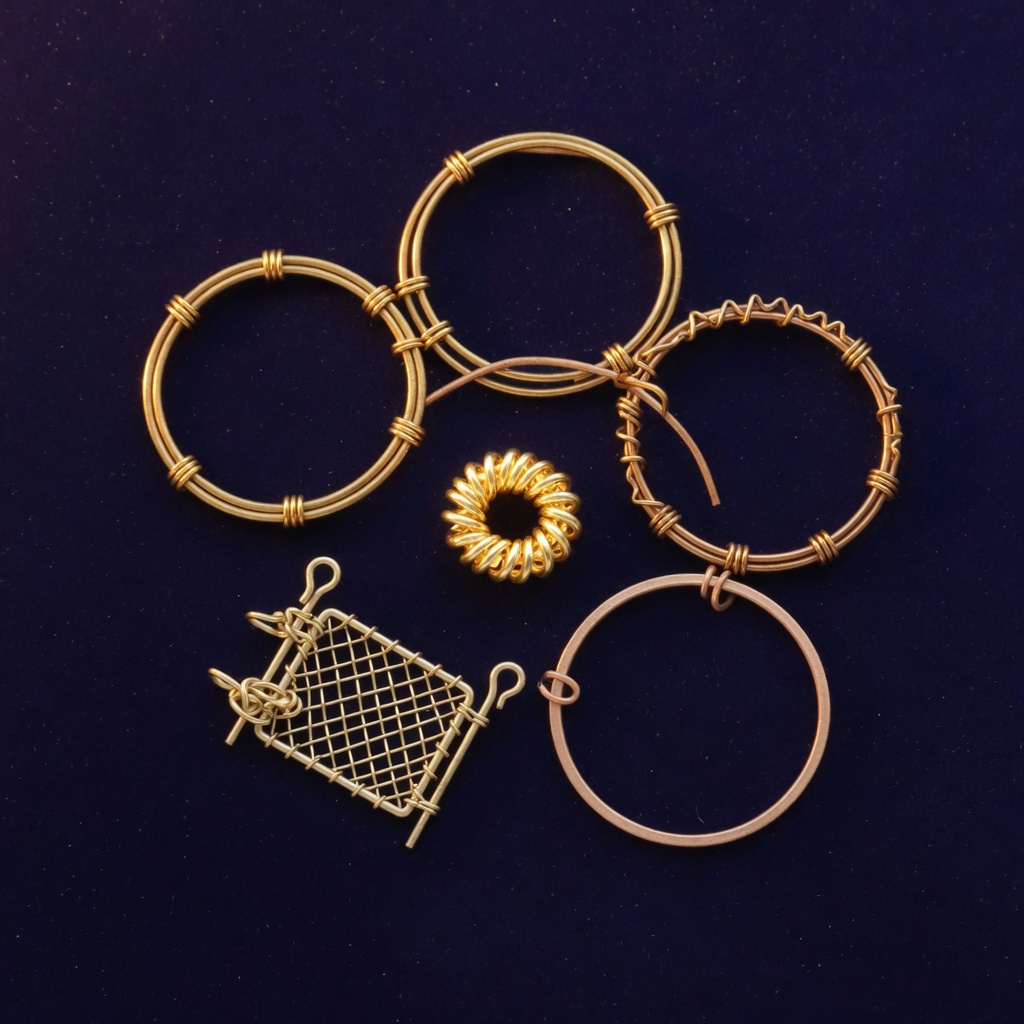
A square gold-wire constellation on deep indigo: four composed rings — ownership, rail, rapp, reef — around a small bright helix that is the workload. A fifth pale ring hangs nearby, the same gold but unjoined, an analogical echo rather than a family. Beside the helix, not inside it, a closed wire gate stands for the security constitution this home consumes and does not host. Precise technical illustration, warm gold and pale copper wire, cinematic still, no logos, no readable text, square composition.
Handoff
This architecture stretch is finished. Do not open a mapping ADR. Do not
add rein-* as a Railiance family. Do not host a PDP here. Do not treat
finishing WP-0026 as T08 destructive approval.
If the next session arrives in this repo: archive the two finished
workplans if you want the directory tidy, tell policy-nexus about
ADR-0009, or leave. The live remainder is T09 in rapp-openbao /
railiance-platform / KeyCape, and T08 waiting on a drill plus an
explicit delete.
Pleasure working this stretch. The next worker inherits a named object, a declared layer, and five questions that are allowed to stay questions.